
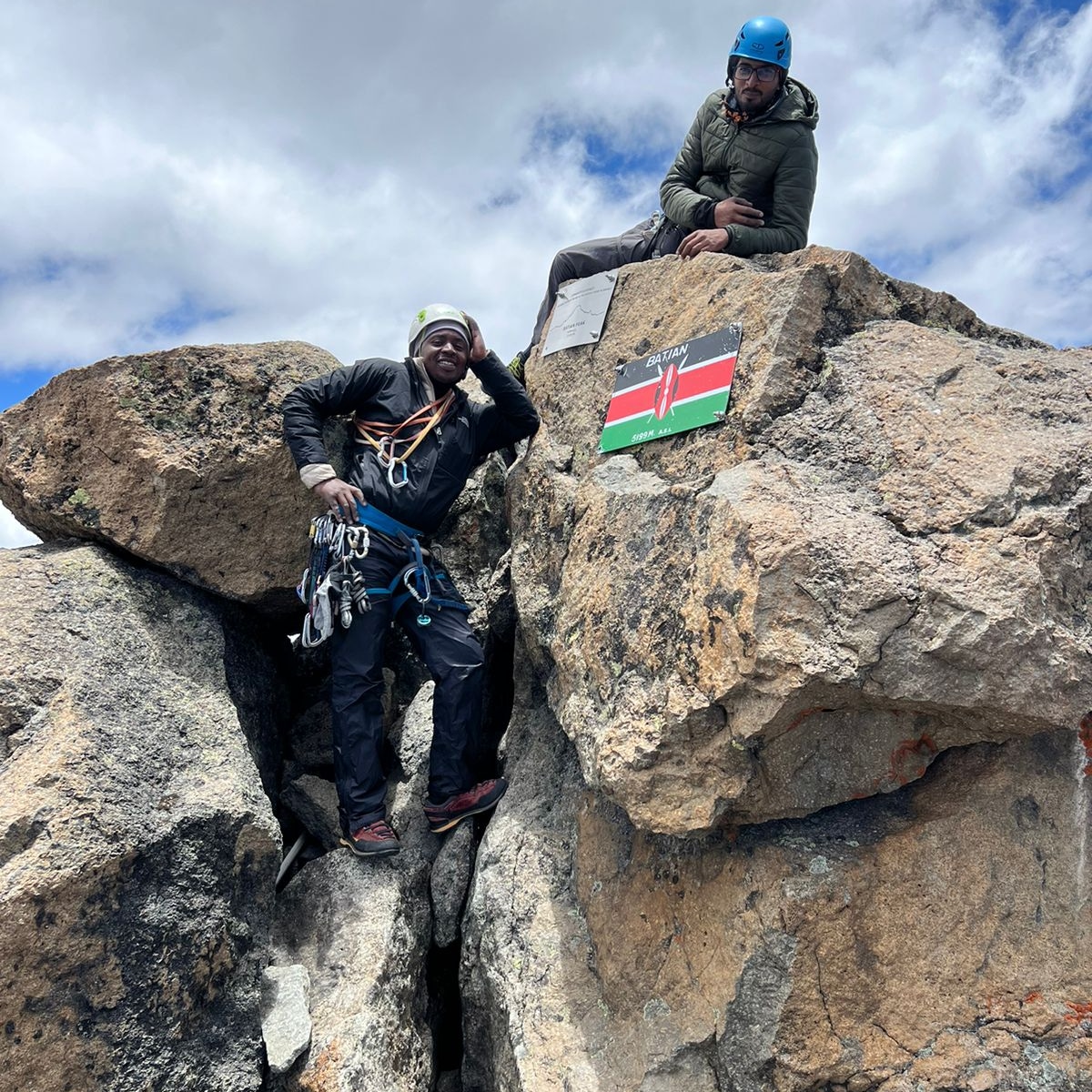
Preparing to climb Mount Kenya—Africa's second-highest peak—is an incredible adventure, but it’s a serious undertaking that requires deliberate planning.
To give you the best chance of standing at the top, you need to break your preparation down into four main pillars: physical training, acclimatization strategy, gear selection, and logistical planning.
1. Physical Training: Build Mountain Endurance
You don't need to be an Olympic athlete, but you do need stamina.
The 3-Month Rule: Start training at least 12 weeks before your climb. Focus on cardiovascular endurance (running, swimming, or cycling) 3 times a week.
Leg and Core Strength: Incorporate weighted squats, lunges, step-ups, and calf raises. Your legs will bear the brunt of the elevation gain.
Do Preparatory Hikes: This is the most critical step. If you are based in Kenya, build up your endurance by conquering local trails sequentially:
Beginner: Ngong Hills or Karura Forest (to test your boots).
Intermediate: Mount Longonot (teaches you pacing on steep volcanic terrain).
Advanced: Elephant Hill or Mount Satima in the Aberdares (crucial for testing how your body handles heights above 3,500 meters).
2. Master the Altitude (Acclimatization)
Altitude sickness (Acute Mountain Sickness or AMS) is the number one reason trekkers fail to summit Mount Kenya. It does not care how fit you are; it only cares how fast you ascend.
Go "Pole Pole": This is Swahili for "slowly, slowly."
Even if you feel full of energy, match the slow, rhythmic pace of your guide. It saves your lungs and lungs save your summit. Choose a Longer Route: A 4- to 5-day trek gives your body a much better chance to adapt than a rushed 3-day itinerary.
The Sirimon-Chogoria combination route is highly recommended—you ascend gradually via Sirimon and descend through the stunning, scenic Chogoria route. Hydrate Relentlessly: Aim to drink 3 to 4 liters of water every single day on the trail. Dehydration mimics and worsens altitude sickness.
Climb High, Sleep Low: On days 2 and 3, your guide will likely take you on short afternoon walks to a slightly higher altitude before returning to camp to sleep. This triggers your body to produce more red blood cells.
3. The Gear: The 4-Layer System
The weather on Mount Kenya can change from a hot, equatorial sun to a torrential downpour or freezing snowstorm within an hour. Do not wear cotton, as it retains moisture, stays cold, and can cause hypothermia.
| Layer | Purpose | What to Pack |
| 1. Base Layer | Moisture management | Moisture-wicking thermal tops and bottoms (merino wool or polyester). |
| 2. Mid Layer | Insulation | Fleece jackets or lightweight down sweaters to trap body heat. |
| 3. Outer Shell | Weather protection | A high-quality, breathable, waterproof jacket (like Gore-Tex) and rain pants. |
| 4. Insulation | Summit night warmth | A heavy down jacket with a hood for sub-zero summit temperatures. |
Essential Footwear & Tools:
Hiking Boots: Waterproof, sturdy, and well broken-in.
Never wear brand-new boots on Mount Kenya, or blisters will ruin your trek. Buy them a half-size larger to accommodate thick woolen socks. Headlamp: Absolutely mandatory.
You will start your summit attempt in pitch darkness. Bring extra batteries, as extreme cold drains them rapidly. Gloves and Liners: Heavy waterproof gloves for the summit, plus thin liners.
Pack Setup: A 35–45L daypack for you to carry your water, layers, and snacks.
The rest of your gear (up to 15kg) goes into a large duffel or rucksack carried by your porter.
4. Logistics and Practicalities
Hire a Guide and Crew: Unless you are an elite mountaineer, attempting Mount Kenya solo is highly discouraged. A certified guide monitors your health, porters carry the heavy loads, and a mountain chef ensures you get high-carbohydrate meals to fuel your climb.
Protect Your Gear from Rain: Pack all the clothes inside your porter's bag into heavy-duty trash bags or dry bags before putting them in the backpack.
Afternoon downpours are common, and a wet sleeping bag makes for a miserable, dangerous night. Snacks are Fuel: High altitudes frequently kill your appetite or cause slight nausea.
Pack familiar, high-energy snacks that you love—energy bars, nuts, chocolates, and glucose sweets. They will keep you moving when a full meal feels unappealing.